The Future of Industrial Lubricants in a Sustainable World
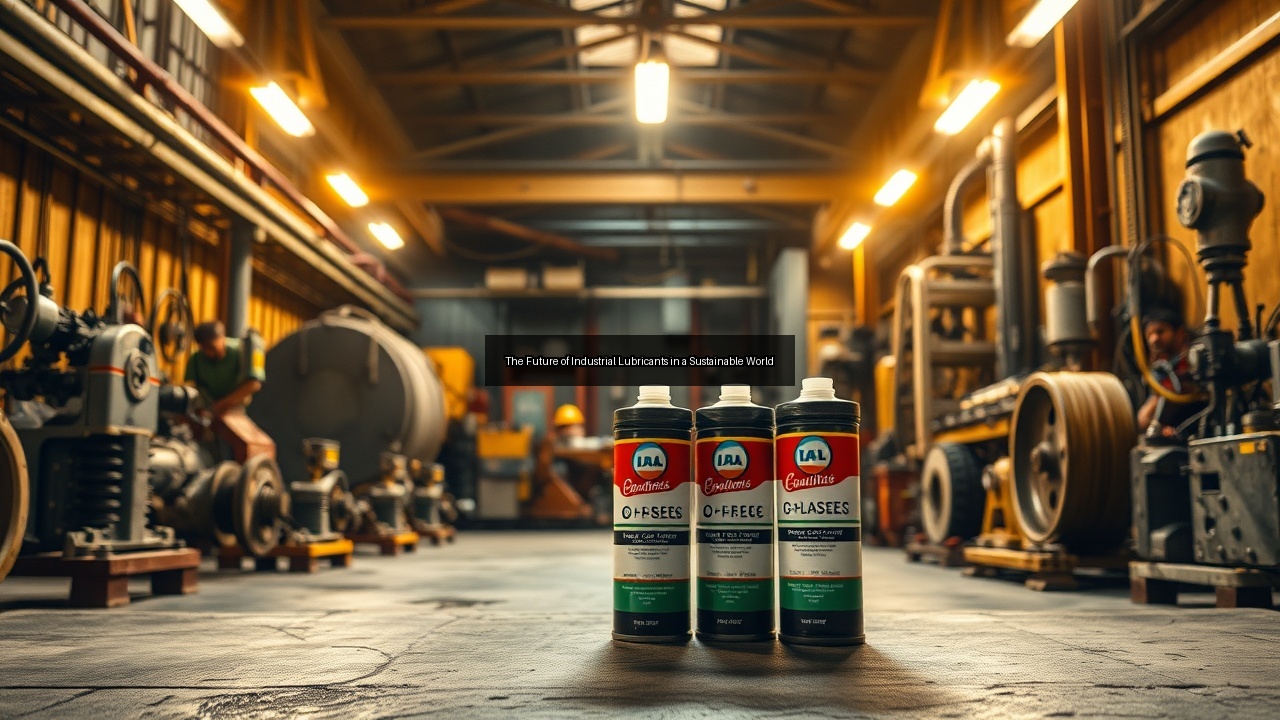
The Role of Heavy-Duty Industrial Greases in Sustainable Practices
Understanding Heavy-Duty Greases and Their Applications
Heavy-duty industrial greases play a critical role in the efficient operation of machinery across various sectors. These lubricants reduce friction, protect against wear, and minimize corrosion, ensuring that equipment operates smoothly. Heavy-duty greases are formulated to withstand extreme conditions, making them ideal for heavy equipment used in mining, construction, and agriculture. Their unique composition allows them to adhere to metal surfaces, providing long-lasting lubrication and protection under high loads and temperatures.
These lubricants typically consist of a base oil combined with thickening agents and additives. The base oil can be mineral or synthetic, while the thickener often includes lithium or calcium soap, which influences the grease's performance characteristics. The applications of heavy-duty greases extend beyond just machinery; they are also essential for maintaining gear systems, bearings, and even wire ropes. Each application demands specific grease types tailored to the operational environment, emphasizing the importance of selecting the right lubricant for optimal performance.
Environmental Impact of Traditional Lubricants
Traditional lubricants, particularly those based on petroleum oils, pose significant environmental challenges. Their production and disposal can lead to pollution, contributing to soil grease types and water contamination. Spills during application or machinery operation can release harmful substances into the environment, threatening ecosystems and human health. Furthermore, the extraction processes for crude oil used in these lubricants often result in habitat destruction and increased carbon emissions.
The environmental consequences of using conventional lubricant greases highlight the necessity for change. Companies face increasing pressure from regulatory bodies and consumers to adopt more sustainable practices. As awareness grows regarding the ecological footprint of traditional lubricants, industries are beginning to rethink their lubrication strategies. Transitioning to eco-friendly grease products not only mitigates environmental impact but also enhances a company’s reputation and compliance with evolving sustainability standards.
The Shift Towards Eco-Friendly Grease Products
The shift towards eco-friendly grease products marks a pivotal change in the lubricants industry. Manufacturers are now focusing on developing biodegradable lubricants made from renewable resources. These products maintain performance while significantly reducing environmental risks. Biobased greases offer similar viscosity and stability as conventional lubricants but break down more easily in the environment, minimizing long-term damage from spills or leaks.
Innovations in formulation technology have led to the creation of high-performance lubricants that meet the demands of heavy-duty applications without compromising sustainability. For example, some eco-friendly greases utilize ester-based oils derived from plants, providing excellent lubricity and protection against wear. The incorporation of natural additives further enhances their performance while ensuring compliance with environmental regulations. As industries adopt these green alternatives, the future of heavy-duty industrial greases looks promising, aligning operational needs with sustainable objectives.
Innovations in Lubricant Technologies for Heavy Equipment
Advancements in Grease Formulations: Calcium vs. Lithium
Recent advancements in grease formulations have sparked a debate between calcium and lithium-based greases. Calcium greases have traditionally been favored for their water resistance and ability to perform in higher temperatures. These properties make them suitable for applications in environments with high moisture levels, such as agricultural and marine applications. However, they tend to have limited versatility when it comes to extreme pressure scenarios.
On the other hand, lithium greases have surged in popularity due to their robustness in high-temperature and high-load environments. Their ability to maintain consistency and performance under varying conditions makes them ideal for heavy machinery, such as excavators and bulldozers. Lithium greases also exhibit excellent shear stability, which reduces the risk of grease breakdown during intense operational use. The choice between calcium and lithium greases ultimately depends on the specific requirements of the application, highlighting the importance of understanding the unique properties of each type of lubricant.
High-Temperature and High-Pressure Greases for Extreme Conditions
Heavy-duty industrial applications often expose lubricants to extreme temperatures and pressures, necessitating specialized grease formulations. High-temperature greases are engineered to withstand elevated thermal conditions without losing their lubricating properties. These greases utilize synthetic base oils combined with advanced thickening agents, ensuring they remain effective even under heat stress. Industries, such as mining and steel manufacturing, rely on these high-performance greases to protect equipment in challenging environments.
High-pressure greases, on the other hand, must endure significant loads while maintaining their lubricating capabilities. These greases are often fortified with additives that enhance their performance under stress, preventing wear and extending machinery life. For applications involving bearings, gears, and other critical components, selecting the right high-pressure lubricant is essential to minimize friction and maximize efficiency. By focusing on these advanced grease technologies, industries can improve equipment reliability and reduce maintenance costs over time.
The Role of Silicone and Hydroxy Lubricants
Silicone and hydroxy lubricants represent an innovative approach to enhancing lubrication in heavy-duty industrial applications. Silicone greases offer distinct advantages, including exceptional thermal stability and resistance to oxidation. These properties make silicone lubricants suitable for environments where traditional greases may fail due to high temperatures or corrosive conditions. Their non-staining nature also makes them ideal for sensitive applications, such as in the food and beverage industry.
Hydroxy lubricants, derived from renewable sources, are gaining attention for their environmental benefits and efficiency. These lubricants provide excellent lubricity and protection against wear while being less harmful to the environment than conventional products. Their formulation allows for biodegradability, aligning with the growing demand for sustainable solutions in industrial settings. By incorporating silicone and hydroxy lubricants into their maintenance routines, industries can enhance performance while contributing to a greener future.
Sector-Specific Applications of Industrial Greases
Heavy-Duty Greases in Mining and Construction
Mining and construction sectors heavily depend on heavy-duty greases to ensure the reliability and efficiency of machinery. Equipment such as bulldozers, excavators, and drills operate in harsh conditions, exposing lubricants to extreme pressure, dust, and moisture. Heavy-duty greases formulated for these industries contain robust additives designed to combat wear and resist corrosion, extending the lifespan of machinery components.
In mining, the application of grease lubricants plays a vital role in maintaining the functionality of large haul trucks and conveyor systems. Choosing the correct lubricant enhances operational efficiency and reduces downtime, which is crucial in maximizing productivity. Similarly, in construction, greases that provide superior adhesion and protection against contaminants ensure that tools and machinery perform optimally. As these sectors evolve, the demand for specialized grease products tailored to specific applications will continue to rise.
Grease Lubricants for Agriculture Machinery
Agricultural machinery relies on heavy-duty greases to operate effectively under various environmental conditions. From tractors to harvesters, these machines face challenges such as dust, moisture, and varying temperatures. Grease lubricants formulated specifically for agriculture are designed to resist contaminants and provide long-lasting protection against wear.
Moreover, the use of grease lubricants in agriculture directly impacts the efficiency of operations. Proper lubrication minimizes friction in moving parts, ensuring machinery runs smoothly while reducing fuel consumption. This efficiency translates into lower operational costs for farmers while maintaining high productivity levels. As the agriculture sector continues to embrace technology, the development of advanced lubricants will play a crucial role in enhancing machinery performance and sustainability.
Food and Beverage Industry: Safety and Performance Standards
The food and beverage industry operates under strict regulations regarding safety and hygiene, making the selection of lubricants a critical aspect. Heavy-duty greases used in this sector must comply with stringent safety standards to prevent contamination while offering reliable lubrication. Food-grade lubricants are specially formulated to meet these requirements, ensuring that they do not pose a risk to products during processing.
These lubricants often utilize synthetic base oils and non-toxic additives to provide optimal performance without compromising safety. They must perform effectively across a range of temperatures, from freezing conditions in cold storage to high temperatures in ovens. The versatility of these food-grade greases enhances their applicability in various machinery, including conveyor systems and processing equipment. As the food and beverage industry evolves, the demand for high-quality, safe lubricants will continue to grow, driving innovation in grease formulations.
The Future Landscape of Industrial Lubricants
Emerging Trends in Grease Products and Sustainability
The future of industrial lubricants increasingly focuses on sustainability and innovation. Emerging trends indicate a significant shift towards biobased and biodegradable lubricants, driven by regulatory pressures and consumer preferences for eco-friendly products. Manufacturers are investing in research and development to create advanced grease formulations that offer both high performance and a reduced environmental footprint.
Additionally, companies are exploring the integration of smart technologies into lubricant management systems. The use of IoT devices and sensors allows for real-time monitoring of lubricant conditions, enabling predictive maintenance and reducing waste. This shift towards data-driven solutions enhances operational efficiency while ensuring that lubrication practices adhere to sustainability goals. As these trends gain momentum, industries must remain adaptable to continue benefiting from the advancements in lubrication technologies.
The Impact of Regulations and Standards on Industrial Greases
Regulatory bodies play a crucial role in shaping the landscape of industrial greases. Stricter environmental regulations and safety standards compel manufacturers to reevaluate their lubricant formulations and practices. Compliance with these regulations not only ensures the safety of workers and consumers but also fosters a more sustainable approach to lubrication.
As governments worldwide implement policies aimed at reducing carbon emissions and promoting eco-friendly practices, industries must stay informed about these changes. Adapting to new regulations can drive innovation in lubricant technologies, encouraging manufacturers to develop safer, more efficient products. The impact of these regulations will continue to resonate throughout the lubricants industry, shaping the future of heavy-duty greases and their applications.
Consumer Preferences and Brand Innovations in Lubricants
Consumer preferences significantly influence the direction of the lubricants industry. With an increasing awareness of environmental issues, customers are gravitating towards brands that prioritize sustainability. Companies that innovate to create eco-friendly grease products will likely gain a competitive edge in the market.
Brand innovations in lubricant technologies, such as enhanced performance characteristics and sustainable sourcing, resonate with consumers seeking reliable and environmentally responsible options. Companies focusing on transparency in their production processes and sustainability efforts will foster trust and loyalty among their customer base. As these preferences continue to evolve, brands must adapt their offerings to meet the changing demands, driving the future of heavy-duty industrial greases in a sustainable world.