The Evolution of Aerospace Manufacturing through Advanced Molding Technologies

Introduction to Aerospace Manufacturing and Molding Technologies
Overview of Aerospace Manufacturing
Aerospace manufacturing drives innovation in the skies, producing everything from aircraft fuselages to satellite components with unyielding precision. Engineers craft complex structures that withstand extreme pressures, temperatures, and velocities, ensuring safety and performance in flight. This industry relies on cutting-edge processes to meet rigorous standards set by bodies like the FAA and NASA. Compression molding emerges as a cornerstone technique, allowing manufacturers to shape durable parts efficiently. As an aerospace compression molding manufacturer, companies specialize in creating seals, gaskets, and structural elements that integrate seamlessly into larger assemblies. The sector's evolution traces back to the Wright brothers' era but exploded post-World War II with jet engines and space exploration. Today, global demand surges due to commercial aviation growth and defense needs, pushing firms to adopt advanced molding for lighter, stronger products. Supply chain complexities, including raw material sourcing for composites and plastics, challenge producers, yet innovations keep pace. Aerospace products manufacturing demands interdisciplinary expertise, blending metallurgy, polymer science, and robotics to deliver mission-critical components. Custom aerospace molding solutions address unique requirements, from prototype development to full-scale production, solidifying the industry's role in technological advancement.
Importance of Advanced Molding Technologies
Advanced molding technologies revolutionize aerospace manufacturing by enabling the production of high-performance parts that traditional methods cannot match. These techniques, including compression molding and plastic injection molding, allow for intricate designs with minimal waste, crucial in an industry where every gram affects fuel efficiency. Aerospace compression molding services stand out for their ability to handle heat-resistant materials under high pressure, producing components vital for engines and airframes. Manufacturers leverage these technologies to reduce lead times and costs while enhancing part integrity. In the competitive aerospace industry, adopting such innovations separates leaders from laggards, as they facilitate rapid prototyping and scalability. Precision compression molding for aerospace ensures uniformity in dimensions and material properties, essential for safety. High-performance aerospace molding incorporates automation to boost throughput, meeting the demands of surging orders from airlines and space agencies. Related advancements like plastic extrusion complement molding by creating profiles for wiring harnesses and seals. As aerospace manufacturing evolves, these technologies integrate with digital twins and AI for predictive maintenance, optimizing the product lifecycle from design to decommissioning. Ultimately, they empower manufacturers to deliver reliable, innovative solutions that propel humanity further into the cosmos.
Role of Compression Molding in Aerospace
Compression molding plays a pivotal role in aerospace by forming robust, lightweight components that endure harsh environments. This process involves placing raw material into an open mold, then applying heat and pressure to shape it, ideal for thermoset plastics and composites. Aerospace compression molding manufacturers excel in producing gaskets, bushings, and insulators that seal against oil, gas, and extreme temperatures. Unlike plastic injection molding, compression molding offers superior control over material flow, minimizing voids and ensuring structural integrity. In the aerospace sector, it supports the creation of custom parts for satellites, drones, and fighter jets, where failure is not an option. Compression molding for aerospace reduces tooling costs for low-volume runs, making it versatile for prototyping and specialized applications. Manufacturers of aerospace compression molding integrate this method into their workflows to achieve tight tolerances, enhancing aircraft reliability. The technique's adaptability to advanced materials like elastomers allows for flexible yet durable seals in hydraulic systems. As demand grows for sustainable practices, compression molding minimizes scrap, aligning with eco-friendly goals. Its enduring value lies in balancing efficiency with performance, cementing its status as a go-to process in modern aerospace production.
Materials Used in Aerospace Compression Molding
Elastomers and Their Applications
Elastomers form the backbone of flexible components in aerospace compression molding, offering resilience against vibration, impact, and thermal cycling. These rubber-like polymers, such as nitrile and fluorosilicone, create seals, o-rings, and vibration dampeners that protect critical systems from leaks and wear. In aerospace manufacturing, elastomer gaskets prevent oil and gas ingress in engines, ensuring operational safety. Compression molding excels with elastomers because it distributes pressure evenly, curing the material without compromising elasticity. Aerospace compression molding manufacturers select specific grades based on environmental exposure; for instance, EPDM handles UV and ozone in exterior parts. Applications extend to fuel tanks and cabin pressurization systems, where elastomers maintain airtight integrity under duress. The material's ability to rebound after deformation makes it indispensable for dynamic components like landing gear bushings. Innovations in elastomer formulations enhance fire resistance and low outgassing for space-bound hardware. As an aerospace compression molding manufacturer, firms like those specializing in custom solutions integrate elastomers to meet stringent specs, from MIL-STD compliance to zero-defect goals. Their versatility drives efficiency across the supply chain, reducing downtime in assembly lines and extending component lifespans in flight.
Thermosets vs. Thermoplastics
Thermosets and thermoplastics diverge sharply in aerospace compression molding, each suiting distinct needs based on curing behavior and performance traits. Thermosets, like epoxy resins and phenolics, harden irreversibly under heat and pressure, yielding rigid, heat-resistant parts ideal for structural composites in airframes. Compression molding thermoset plastics ensures dimensional stability, crucial for high-stress environments where melting could spell disaster. Thermoplastics, such as PEEK and nylon, soften when reheated, allowing recyclability but limiting use in extreme heat zones. In aerospace, thermosets dominate for engine mounts and ablative shields due to superior chemical resistance against fuels and oxidizers. Thermoplastic extrusion and injection molding shine in non-critical areas like interior panels, offering easier processing and weight savings. Aerospace compression molding manufacturers weigh these options during design phases; thermosets provide unmatched strength-to-weight ratios for load-bearing elements, while thermoplastics enable rapid prototyping. The choice impacts the entire product lifecycle, with thermosets favoring long-term durability in satellites and thermoplastics suiting consumer-facing avionics. Balancing these materials optimizes aerospace products manufacturing, ensuring compliance with standards like AS9100 while advancing fuel-efficient designs.
Liquid Silicone Rubber (LSR) in Aerospace
Liquid Silicone Rubber (LSR) transforms aerospace compression molding with its biocompatibility, flexibility, and thermal stability across -60°C to 200°C ranges. This injectable material flows into intricate molds under low pressure, curing quickly to form precise seals and insulators for electronics and hydraulics. In the aerospace industry, LSR gaskets shield against moisture and pressure differentials in fuselages, preventing corrosion in avionics bays. Compression molding LSR allows manufacturers to embed reinforcements like fabrics for enhanced tear resistance in ducting. Its low toxicity and non-stick properties make it perfect for medical-grade applications in pilot suits or life support systems. Aerospace compression molding services using LSR reduce cycle times compared to traditional rubbers, boosting production rates for high-volume parts like valve seats. The material's transparency aids in visual inspections, a boon for quality control in complex assemblies. As an aerospace compression molding manufacturer, companies harness LSR for custom aerospace molding solutions in space habitats, where outgassing must be minimal. Future integrations with composites promise hybrid parts that combine rigidity and compliance, pushing boundaries in lightweighting. LSR's role underscores the shift toward multifunctional materials that streamline manufacturing while elevating safety standards.
The Role of Hydraulic Presses in Molding Processes
Understanding Hydraulic Press Technology
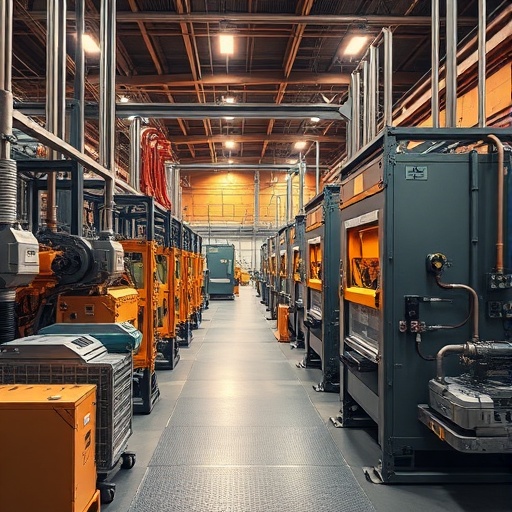
Hydraulic press technology powers compression molding by delivering uniform force through fluid dynamics, essential for shaping aerospace components with precision. These machines use incompressible oil to transmit pressure from a pump to cylinders, achieving tonnages up to thousands for deep-draw operations. In aerospace manufacturing, hydraulic presses ensure even material distribution in molds, preventing defects like warping in thermoset composites. Advanced models incorporate PLC controls for programmable cycles, integrating heat platens and vacuum assists to optimize curing. Compression molding relies on this technology to handle viscous materials like elastomers, where mechanical presses might falter. Manufacturers of aerospace compression molding upgrade to servo-hydraulic systems for energy efficiency and reduced noise, aligning with modern factory standards. The press's platen size and stroke length dictate part dimensions, from small gaskets to large panels. Safety features like light curtains and interlocks safeguard operators in high-stakes environments. As hydraulic technology evolves, IoT connectivity enables real-time monitoring, predictive maintenance, and data logging for traceability. This foundation supports the aerospace industry's demand for repeatable, high-quality outputs, making hydraulic presses indispensable in the molding ecosystem.
Benefits of Hydraulic Presses for Aerospace Components
Hydraulic presses deliver unmatched benefits in aerospace compression molding, producing components with superior strength and consistency. Their ability to apply sustained, even pressure excels in forming complex geometries from composites and plastics, reducing internal stresses that could lead to in-flight failures. Energy efficiency in modern hydraulic systems lowers operational costs, vital for scaling aerospace manufacturing. These presses handle high-temperature materials without deformation, ensuring thermoset plastics cure fully for heat shields and radomes. Versatility allows seamless switches between elastomer seals and rigid structures, streamlining workflows for manufacturers. Precision control over ram speed minimizes flash and improves surface finishes, cutting post-processing needs. In custom aerospace molding solutions, hydraulic presses enable low-volume runs with tight tolerances, accelerating time-to-market for prototypes. Noise reduction and clean operation suit cleanroom environments required for aerospace products manufacturing. Integration with automation boosts throughput, addressing supply chain bottlenecks. Overall, they enhance reliability in critical parts like hydraulic fittings, where uniform density prevents leaks under pressure. Aerospace compression molding manufacturers rely on these advantages to meet exacting specs, driving innovation in lighter, more durable aircraft designs.
Case Study: Lockheed Martin's Use of Hydraulic Presses
Lockheed Martin, a titan in the aerospace corporation landscape, harnesses hydraulic presses to revolutionize compression molding for advanced aircraft and spacecraft. In producing F-35 components, the company deploys custom hydraulic systems to mold composite panels that withstand supersonic stresses, integrating carbon fiber with thermoset resins for optimal strength. This approach slashed production time by 30% while improving part uniformity, as presses apply precise force to eliminate voids. For satellite programs, Lockheed uses hydraulic technology to form LSR seals that endure vacuum conditions, ensuring signal integrity in communication arrays. The corporation's investment in servo-driven presses at facilities like those in Fort Worth enhances energy use, aligning with sustainability mandates. Challenges like material variability were overcome through automated feedback loops, maintaining tolerances within microns. This case exemplifies how hydraulic presses support Lockheed's supply chain, from raw elastomer procurement to final assembly. As an aerospace compression molding manufacturer partner, suppliers provide molded gaskets that integrate flawlessly, contributing to the F-35's 1,000+ unit milestone. Lockheed's success underscores the technology's role in scaling high-performance aerospace molding, inspiring industry-wide adoption for next-gen programs like hypersonic vehicles.
Quality Control and Tolerances in Aerospace Molding
Importance of Quality Control in Aerospace Manufacturing
Quality control anchors aerospace manufacturing, safeguarding lives and missions by verifying every molded part meets exacting standards. In compression molding, rigorous inspections detect flaws in gaskets, composites, and housings that could compromise structural integrity. Aerospace compression molding manufacturers implement layered protocols, from incoming material checks to final audits, ensuring compliance with AS9100 certifications. Non-destructive testing like X-ray and ultrasound reveals internal defects invisible to the eye, preventing costly recalls. Data analytics track process variations, enabling continuous improvement in the product lifecycle. The stakes amplify in defense contracts, where quality lapses invite audits and penalties. Effective control fosters trust with clients like Boeing, streamlining supply chains and reducing rework. Automation in quality assurance integrates seamlessly, flagging anomalies in real-time during molding cycles. For elastomers and thermosets, environmental controls maintain consistency against humidity and temperature shifts. Ultimately, robust quality control elevates aerospace products manufacturing, turning potential risks into reliable assets that fuel exploration and connectivity worldwide.
Precision Tolerances for Aerospace Products
Precision tolerances define aerospace products, dictating dimensions down to thousandths of an inch for flawless assembly and function. In compression molding, achieving ±0.001-inch accuracy ensures hydraulic fittings align perfectly, averting leaks in fuel systems. Aerospace compression molding services prioritize tooling design to hold these specs, using master molds calibrated via CMM. Materials like LSR demand tighter controls due to shrinkage, where even minor deviations affect seal performance under pressure. Standards from ISO 2768 guide tolerances, but aerospace pushes further for mission-critical parts like turbine blades. Manufacturers employ statistical process control to monitor variances, adjusting hydraulic press parameters dynamically. This precision extends to surface finishes, with Ra values under 16 microinches for aerodynamic efficiency. Custom aerospace molding solutions incorporate GD&T to specify form and orientation, enhancing interoperability in global supply chains. Tolerances directly impact weight and safety; a 0.01% overrun could add tons to an aircraft's mass. By mastering these, aerospace compression molding manufacturers deliver components that integrate seamlessly, upholding the industry's reputation for excellence and innovation.
Automation in Quality Assurance Processes
Automation revolutionizes quality assurance in aerospace molding, embedding vision systems and robotics to inspect parts at production speeds. Machine learning algorithms analyze mold outputs for defects like cracks in thermoset composites, flagging issues before they propagate. In compression molding lines, automated gauges measure tolerances in real-time, halting operations if deviations exceed thresholds. Aerospace compression molding manufacturers integrate AI-driven software to predict failures based on historical data, optimizing the product lifecycle. Robotic arms handle repetitive tasks like deburring, ensuring consistent finishes on elastomer gaskets. Integration with ERP systems provides end-to-end traceability, from raw plastic input to shipped components. This tech reduces human error, which once plagued manual checks, and scales for high-volume aerospace manufacturing. For instance, 3D scanning verifies complex geometries against CAD models, achieving sub-micron accuracy. Sustainability benefits emerge as automation minimizes waste through precise material dosing. As an aerospace compression molding manufacturer, adopting these tools not only complies with FAA oversight but accelerates certification, positioning firms as leaders in precision engineering.
Future Trends in Aerospace Molding Technologies

Innovations in Advanced Materials
Innovations in advanced materials propel aerospace molding into a new era, introducing self-healing polymers and nano-enhanced composites for superior durability. Researchers develop thermosets with embedded sensors that monitor stress in real-time, alerting to fatigue in airframes molded via compression. Liquid silicone rubber evolves with antimicrobial additives, ideal for cabin interiors in commercial jets. Aerospace compression molding manufacturers experiment with hybrid thermoplastics that combine extrusion and molding for multifunctional parts like lightweight ducts. Carbon nanotube infusions boost conductivity in gaskets, enabling embedded electronics for smart aircraft. Sustainability drives bio-based resins from renewable sources, reducing reliance on petroleum-derived plastics. 3D-printed molds accelerate prototyping, allowing rapid iterations in custom aerospace molding solutions. These materials promise 20% weight reductions, enhancing fuel efficiency amid rising emission regulations. Integration with additive manufacturing hybrids compression with layering for intricate, void-free structures. As the aerospace industry advances, these innovations ensure molded components not only perform but adapt, fostering resilient designs for hypersonic and urban air mobility vehicles.
The Role of MCM Composites, LLC
MCM Composites, LLC emerges as a key player in aerospace compression molding, specializing in custom solutions for high-stakes applications. This American molder leverages decades of expertise to produce precision thermoset and elastomer parts, serving primes like Lockheed Martin with gaskets and insulators. Their state-of-the-art facility in the U.S. employs advanced hydraulic presses for compression molding aerospace components, emphasizing quality control and tight tolerances. MCM Composites excels in liquid silicone rubber processing, delivering seals that withstand extreme conditions in engines and space hardware. As an aerospace compression molding manufacturer, they prioritize supply chain transparency, sourcing domestic materials to mitigate risks. Innovations at MCM include automated molding lines that integrate injection and compression for hybrid products, shortening lead times. Their commitment to AS9100 standards ensures zero-defect outputs, supporting the product lifecycle from concept to certification. MCM Composites, LLC also pioneers sustainable practices, recycling thermoset scraps into fillers. By collaborating on R&D, they drive advancements in composites, positioning themselves as a trusted partner in the evolving aerospace manufacturing landscape.
Sustainability in Aerospace Manufacturing
Sustainability reshapes aerospace manufacturing, with molding technologies adapting to cut emissions and waste across the board. Compression molding minimizes scrap by optimizing material use, a shift from wasteful plastic injection methods for low-volume runs. Manufacturers recycle thermoset plastics into reinforced composites, closing the loop for fuselage panels. Bio-derived elastomers replace synthetics in gaskets, reducing oil dependency while maintaining performance against gas and heat. Aerospace compression molding services incorporate energy-efficient hydraulic presses that recover heat from cycles, slashing power consumption by up to 40%. Lifecycle assessments guide material choices, favoring recyclable thermoplastics for non-structural parts. The industry targets net-zero by 2050, prompting innovations like water-based molds to avoid VOCs. Supply chain audits ensure ethical sourcing, from rare earths in advanced materials to local plastics. Automation enhances sustainability by predicting optimal runs, avoiding overproduction. As an aerospace compression molding manufacturer, firms like MCM Composites lead with green certifications, proving eco-friendly processes deliver high-performance outcomes. This focus not only complies with regulations but attracts investment, ensuring the sector's growth aligns with planetary health.